Culture
History, mythology, music and traditions — the cultural depth behind the island.
Crete has one of the longest continuously inhabited histories in Europe. The Minoan civilisation, which flourished on the island from around 2700 BCE, produced some of the earliest examples of European writing, palace architecture and figurative art. The ruins at Knossos, Phaistos and Akrotiri are among the most significant archaeological sites in the Mediterranean.
Later waves of history left equally visible marks. The Venetian period (1205–1669) produced the fortified harbours of Chania and Heraklion, the lighthouse at Heraklion, and the mountain fortress of Frangokastello. Ottoman rule lasted until 1913, and traces remain in the architecture of the old towns and in certain aspects of local cuisine. The struggle for Cretan independence is a recurring theme in local identity and memory.
Cretan music — the lyra, the laouto and the traditions of mantinades (improvised rhyming couplets) — is not a performance for tourists but a living practice. Weddings, name day celebrations and village festivals (panigiri) still feature hours of live music and dancing. The music varies by region, and the western Cretan style is considered the most traditional.
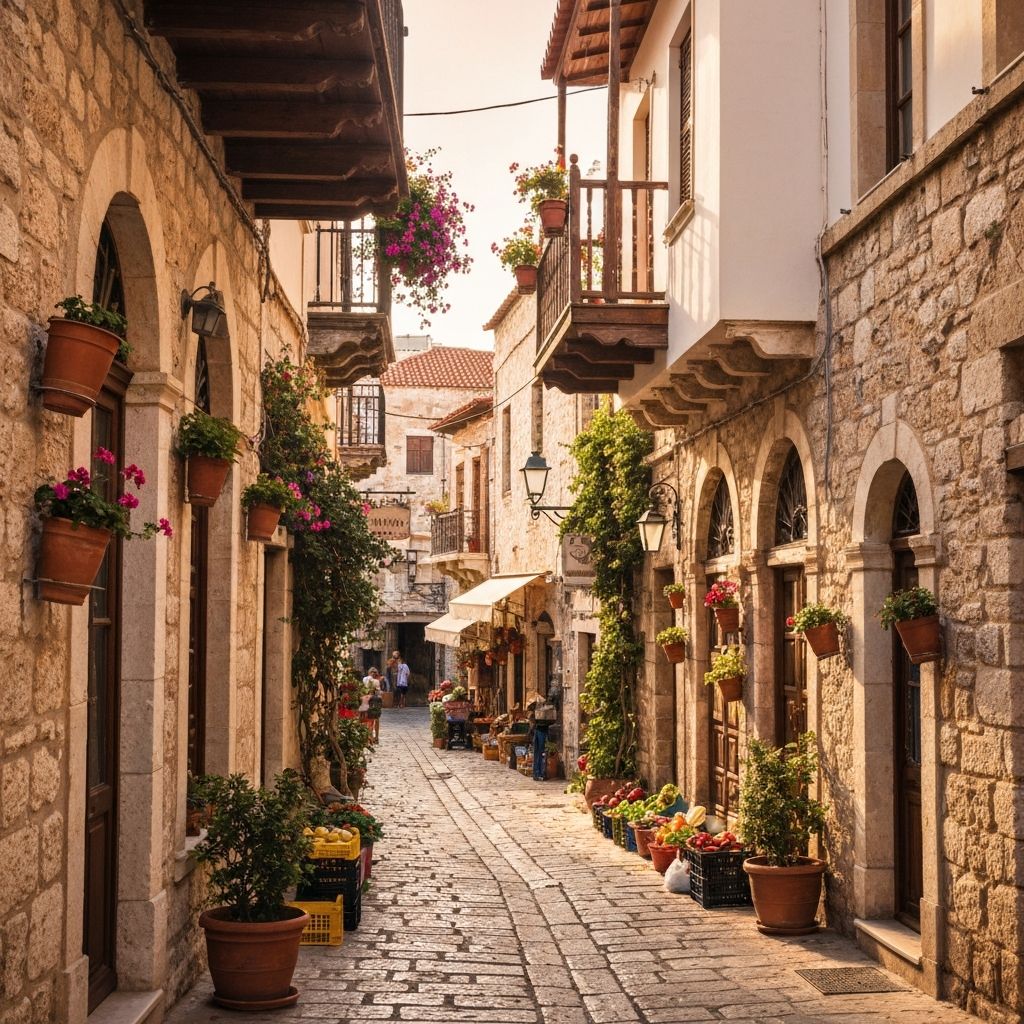
Cretan Music: The Lyra, the Laouto, and the Living Tradition
An introduction to Cretan music — the instruments, the song forms, the mantinades, and where to hear authentic live performances across the island.
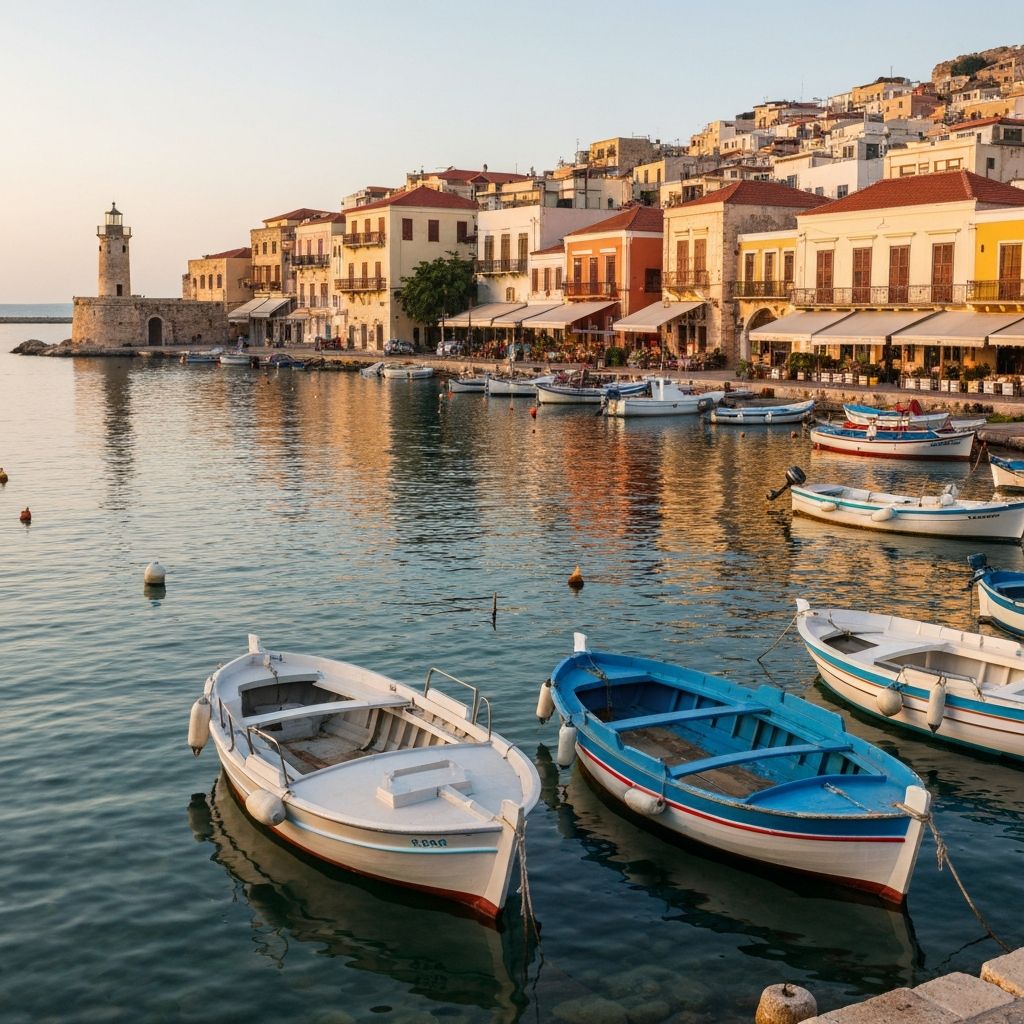
Festivals and Celebrations in Crete
A guide to Crete's main festivals, religious celebrations, cultural events, and local traditions — from Easter and the grape harvest to summer music festivals.
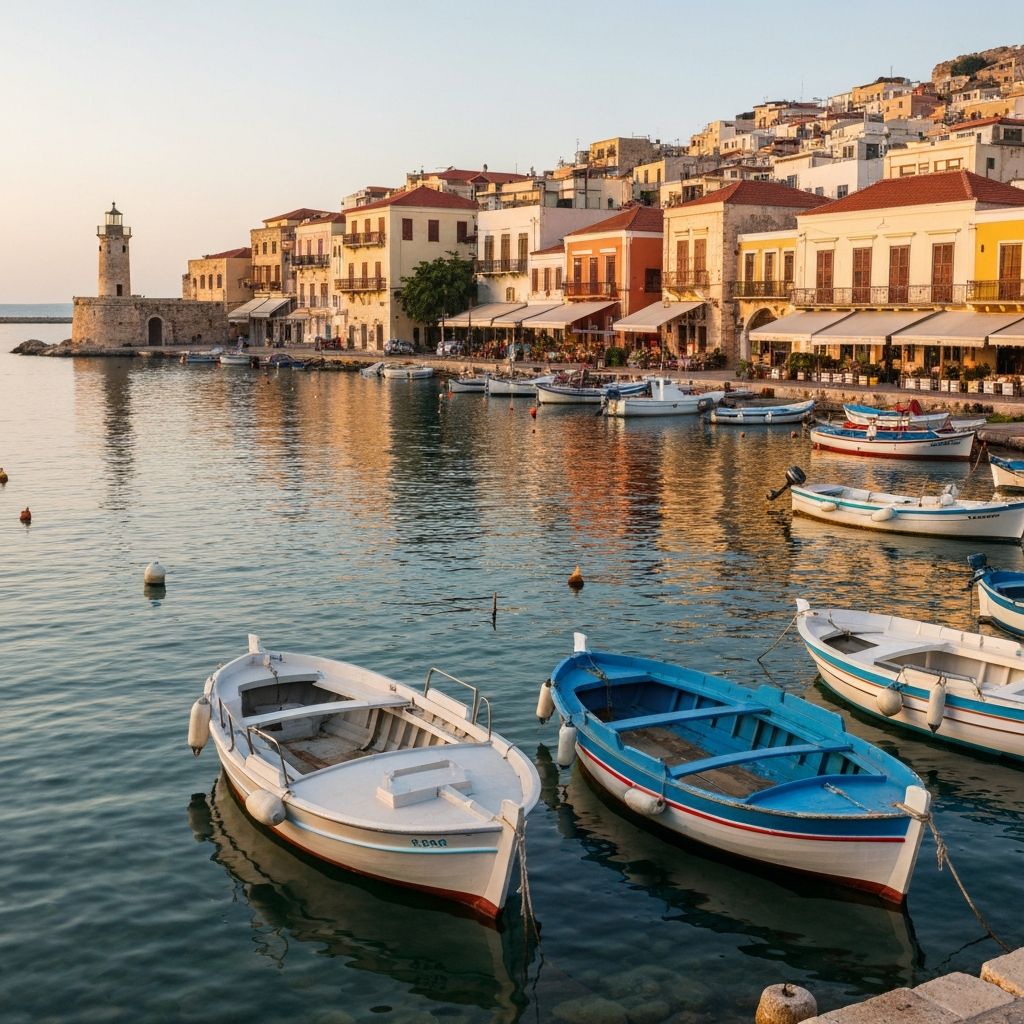
A Brief History of Crete
An introduction to Crete's long history, from the Minoan civilisation through Roman, Byzantine, Venetian, and Ottoman rule to the island's union with Greece.
Crete in Greek Mythology: The Stories Behind the Sites
An introduction to Crete's central role in Greek mythology — from the birth of Zeus to the Minotaur — and what connects those stories to places you can visit.